Mexican Condo Management Is Stuck in 2005
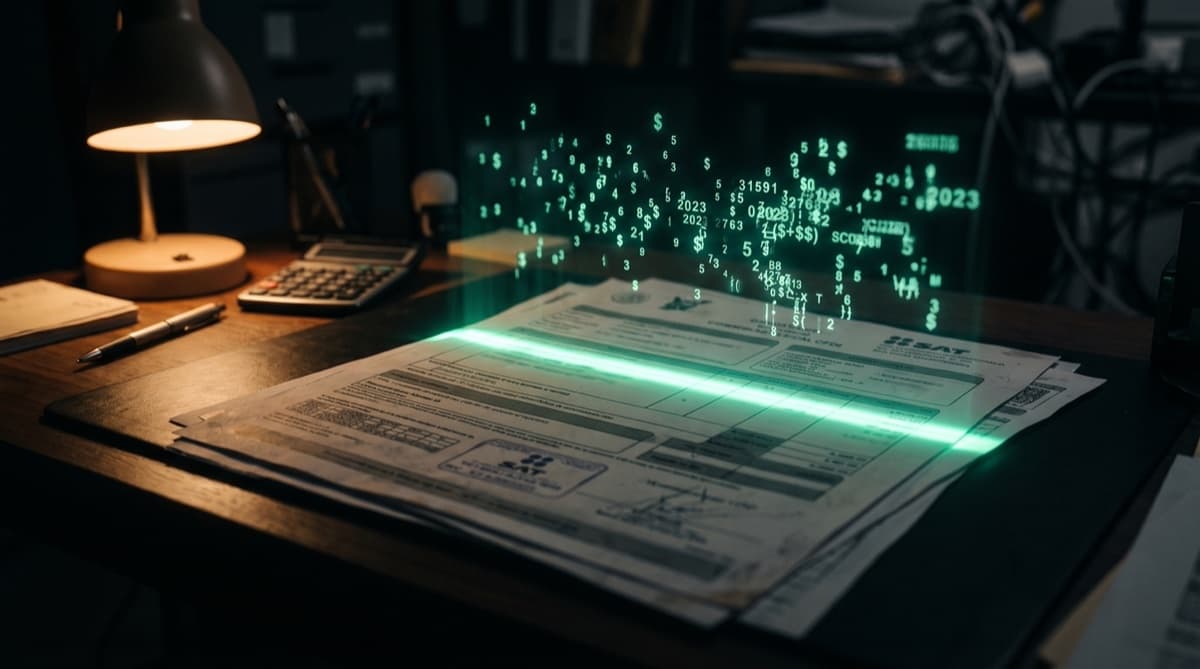
In most residential clusters in Mexico, condo administration works like this: the treasurer collects fees in cash or bank transfer, records them in a spreadsheet, sends late reminders over WhatsApp, and tries to explain the annual budget in a PDF nobody reads. When something breaks, residents message a group chat and hope someone responds. When disputes arise, there is no paper trail.
This is not a small-complex problem. We have seen it in clusters of 20 units and complexes of 400. The tools have not kept up with the density of modern Mexican urban living — and residents feel it every month.
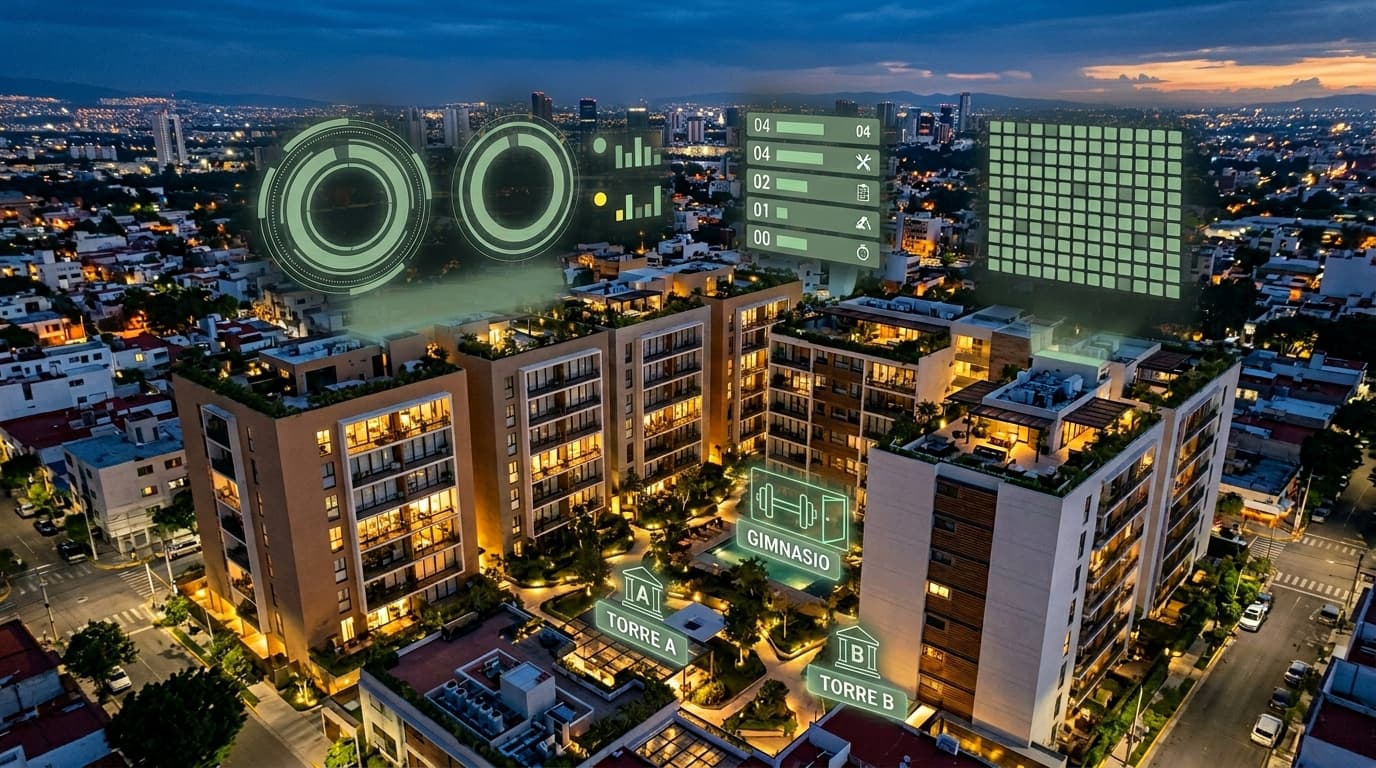
In early 2026, we ran a pilot with a residential cluster in Lomas de Angelópolis, Puebla. The goal was not to build a product. The goal was to answer one question: can a lean AI system replace administrative chaos without requiring residents to change their habits?
The Starting Point: 80 Units, One Administrator, Zero Infrastructure
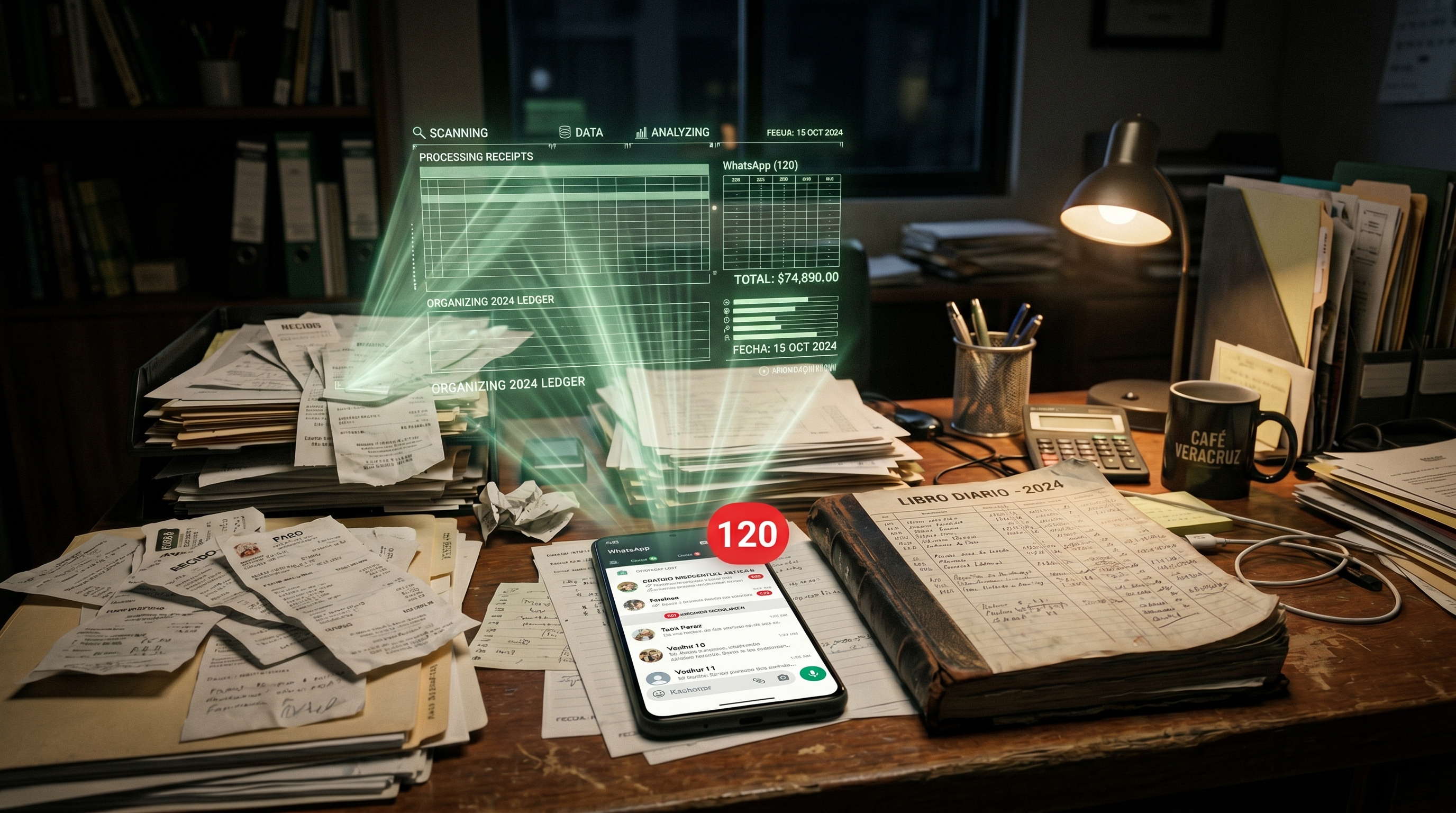
Our pilot complex had 80 residential units, one part-time administrator, and no digital infrastructure beyond a WhatsApp group of 120 people. Monthly fee collection was running at 62%, meaning 38% of units were chronically late or non-paying. Maintenance requests went untracked. The annual assembly was a two-hour argument because nobody agreed on what the budget had actually been spent on.
The administrator spent roughly 15 hours per week on tasks that were entirely manual: sending fee reminders, collecting receipts, answering "how much do I owe?" messages, and coordinating with vendors. That is 15 hours that could be zero.
Sound familiar? If you manage or live in a condominio in Mexico, it probably does. The industry has over 1.2 million registered condominiums — and the vast majority operate with the same informal stack: WhatsApp, Excel, and goodwill. Understanding why AI adoption in Mexican businesses has been slow is part of why we designed this system the way we did.
What We Built in Three Weeks
We designed the system around one hard constraint: residents would not download a new app. Every interaction had to happen where they already were — messaging apps or a simple web link.
The system has three components:
- Resident-facing AI assistant: A bot that answers balance inquiries, logs maintenance requests, and sends automated fee reminders. Residents type ¿cuánto debo? and get an instant answer with their payment history and a direct payment link.
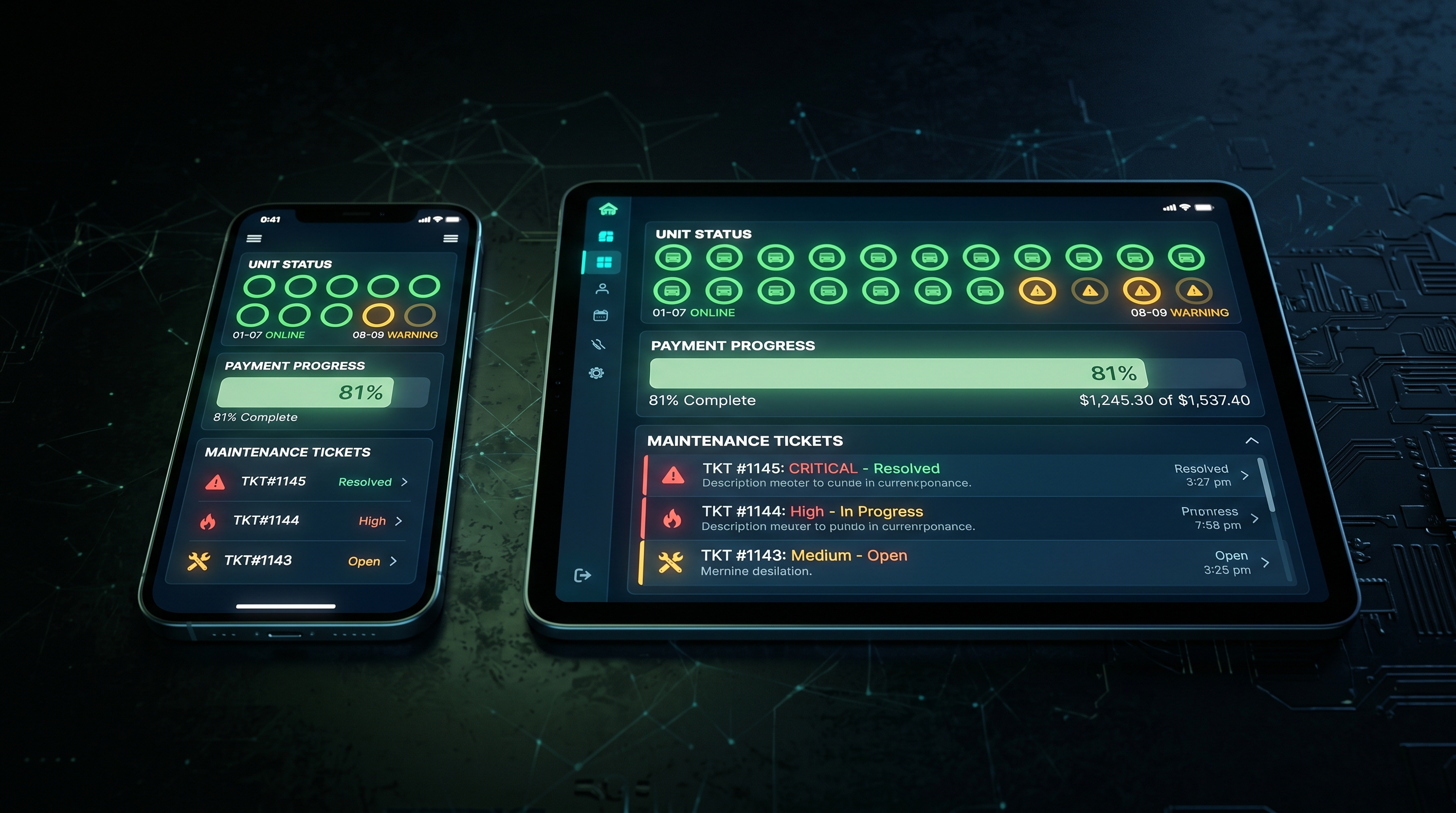
- Admin dashboard: A lightweight web panel showing real-time fee collection status, open maintenance tickets, and monthly cash flow. The board can view reports without editing data. Decisions stay with people; data entry does not.
- Automated monthly reporting: PDF summaries generated automatically and distributed to the board and residents — no manual assembly, no formatting time.
The AI layer is not magic. It is a well-structured system that knows which unit owes what, which tickets are open, and what the current reserve fund balance is. Claude handles the conversational interface. Supabase handles the data. The administrator handles exceptions that require judgment.
If you are wondering what this kind of system costs, our breakdown of AI automation pricing for Mexican businesses covers the full range.
Results After 60 Days
Fee collection improved from 62% to 81% within two months. Not because residents became more responsible — because the friction of paying disappeared. A WhatsApp reminder arrived with a payment link. Residents clicked it. They paid. Done.
Administrator time on routine tasks dropped from 15 hours per week to under 4. The remaining time went to actual decisions: vendor selection, dispute resolution, board communication. The work that requires a human.
Maintenance request resolution time improved because every request was now logged, timestamped, and assigned. Nothing fell through a group chat. The board could see exactly what was open, resolved, and how long each item had taken.
The monthly assembly moved from a two-hour debate to a 45-minute review. Because the financial report was already there, already trusted, already understood by every resident before walking in the door.

Why This Scales to Thousands of Clusters
The problem is not unique to Lomas de Angelópolis. It is the default state of condo management across Mexico. No solution has been built specifically for this context: mixed digital literacy, cash-preference culture, no IT budget, one overworked administrator who is also a neighbor.
The system we deployed costs less per month than a single collection agency call per late payer. It operates 24/7. It responds in Spanish. It improves as it learns the patterns of that specific complex.
This is one example of the types of repetitive tasks that AI handles best — not creative work, not judgment calls, but predictable, high-volume operations that drain your most capable people.
We are currently in conversations to expand this model to additional clusters in Puebla. If you manage a residential complex — or sit on a board tired of the same problems every month — talk to us about what a pilot could look like for your community. The first conversation is free.